In a world where hunger strikes at the most inconvenient times, food and drink apps have become the superheroes of our culinary cravings. Gone are the days of endless scrolling through menus or debating what to eat with friends. With just a few taps, these apps deliver everything from gourmet meals to quirky drinks right to your doorstep. It’s like having a personal chef who never judges your late-night pizza choices.
Overview of Food and Drink Apps
Food and drink apps provide essential services that enhance dining experiences. These applications streamline meal and beverage ordering, catering to individual preferences and dietary needs. Users enjoy diverse options from various restaurants, enabling them to explore different cuisines with minimal effort. Convenience remains a significant factor, as people appreciate quick access to food choices, especially during busy schedules.
Many food and drink apps incorporate features like real-time tracking for deliveries, allowing users to monitor their orders. Such transparency increases customer satisfaction by managing expectations effectively. Additionally, most apps offer user reviews and ratings, helping consumers make informed decisions when selecting restaurants or dishes.
Personalization plays a key role in the success of these applications. Users often receive tailored recommendations based on previous orders and preferences. Simple interfaces enable customers to navigate menus intuitively while filtering options according to dietary restrictions.
Promotions and discounts entice users to explore new restaurants and cuisines. Loyalty programs reward frequent users, encouraging repeat orders and fostering brand loyalty. In major cities, food and drink apps also support local businesses, showcasing their menus to a broader audience.
The impact of food and drink apps on food delivery services is significant. Statistics reveal increased growth in the sector, with billions of dollars generated annually. Following trends, companies are continually adapting their services to meet evolving consumer demands, indicating a robust market. Food and drink apps maintain relevance by embracing new technologies, enhancing user experiences, and accommodating requests from customers.
Popular Types of Food and Drink Apps
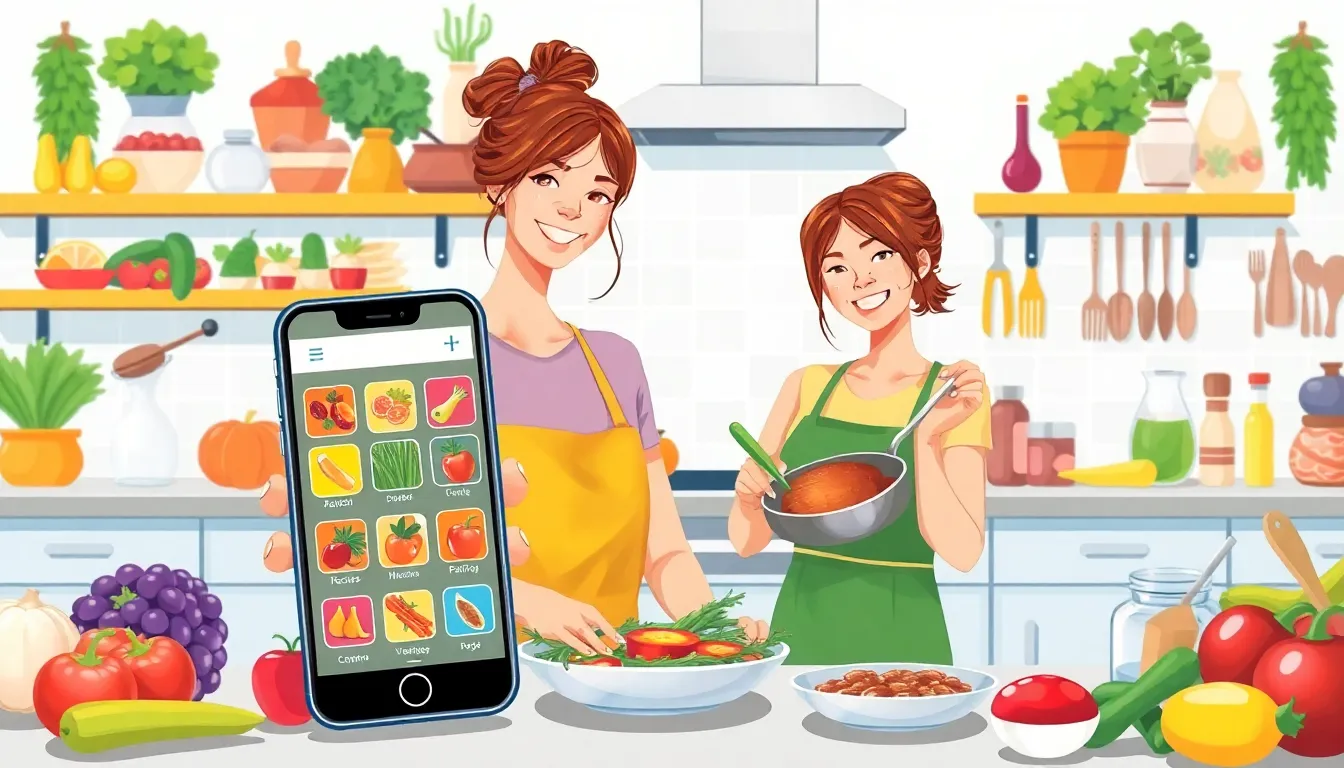
Various types of food and drink apps cater to different consumer needs and preferences. Each category offers unique features that enhance convenience and improve user experiences.
Restaurant Delivery Apps
Restaurant delivery apps facilitate meal ordering from local establishments. Users can browse extensive menus and select their favorite dishes from various cuisines. Such apps provide real-time tracking, allowing customers to monitor order delivery. Seamless payment processes simplify transactions, making it easy for users to enjoy meals without leaving home. Popular examples include DoorDash, Uber Eats, and Grubhub, each offering a broad range of dining options.
Recipe and Cooking Apps
Recipe and cooking apps inspire culinary creativity by providing a wealth of meal ideas. Users access diverse recipes, often accompanied by step-by-step instructions and ingredient lists. Most of these apps offer customization options to accommodate dietary preferences, including vegetarian, vegan, and gluten-free dishes. Furthermore, features like meal planning and instructional videos enhance the cooking experience. Notable names in this category include Yummly, Tasty, and Allrecipes, each aiming to empower home cooks.
Grocery Shopping Apps
Grocery shopping apps streamline the grocery shopping experience, allowing users to order essentials from local stores or online retailers. Customers can add items to their digital carts, check prices, and schedule deliveries or pickups to fit their schedules. Many apps provide personalized suggestions based on previous purchases and dietary requirements. Popular choices, such as Instacart and Walmart Grocery, enable convenient access to a wide range of products, ensuring that consumers can easily restock their kitchens.
Key Features to Look For
Food and drink apps offer essential features. Users should prioritize specific attributes to enhance their experience.
User Interface and Experience
A clean interface improves usability. Navigation should feel intuitive, enabling users to find meals and drinks with ease. Visual appeal plays a role in user engagement, facilitating quicker decision-making. Consistent layout across different sections enhances familiarity, making app usage smoother. Users often appreciate the inclusion of high-quality images, as they give a realistic view of food options. A responsive design also adapts seamlessly to various devices. Users find that simplicity in order placement fosters satisfaction.
Payment Options and Security
Multiple payment choices cater to diverse preferences. Credit cards, digital wallets, and buy now pay later services increase convenience. Security features are non-negotiable for users when managing their financial information.Encryption protocols protect sensitive data. Visibility into payment processes builds user trust. Apps that support contactless payments enhance the overall experience, promoting user safety. Clear policies on refunds and disputes also give users confidence in their transactions.
Customer Support
Accessible customer support is vital. Users need assistance for resolving issues or inquiries promptly. Various channels, such as live chat, email, and phone support, provide flexibility. Quick response times can significantly enhance user satisfaction. Helpful FAQs and tutorial sections empower users to troubleshoot independently. A positive reputation for customer service often influences user loyalty. Apps that prioritize support can retain users effectively.
Benefits of Using Food and Drink Apps
Food and drink apps offer numerous benefits that enhance the dining experience for users. These advantages range from convenience to a wide selection of options.
Convenience and Accessibility
Convenience makes food and drink apps essential in today’s fast-paced world. Users access meals and drinks from their smartphones at any time. Ordering takes just a few taps, saving time compared to traditional methods. Many apps provide delivery straight to customers’ doors, making it easier to enjoy meals without leaving home. Apps also enable users to explore local restaurants effortlessly. Whether at work or home, the ability to have meals delivered enhances the overall dining experience. Features like real-time tracking keep users informed about their orders, ensuring satisfaction with the waiting process.
Variety and Options
Variety stands out as a significant advantage of food and drink apps. Users can choose from numerous cuisines, ranging from Italian to Thai, expanding their culinary horizons. Options include not only local restaurants but also popular chains. Recipe and cooking apps give users access to creative meal ideas, catering to diverse tastes and dietary preferences. Grocery shopping apps streamline the process, allowing users to select supermarket items in seconds. Flexibility in meal choices encourages users to explore flavors from different cultures without leaving their homes. This broad selection enhances the overall enjoyment of food and drink choices for everyone.
Challenges and Limitations
Food and drink apps face various challenges that can impact user experience and overall effectiveness. Understanding these limitations allows users to make informed choices when utilizing these services.
Reliability of Information
Inaccurate information can pose a significant issue for consumers. Users often rely on app data to make dining decisions or evaluate menu options. Misinformation about menu items, prices, or availability could lead to dissatisfaction. High-quality images and detailed descriptions might not always represent the actual dish. Apps sometimes lack updates on seasonal items, altering the ordering process. Users notice discrepancies with user reviews, too; unreliable or biased reviews distort perceptions of restaurant quality. Addressing this challenge through accurate, real-time updates is essential for maintaining user trust.
Delivery Issues
Delivery problems frequently arise with food and drink apps, affecting user experiences. Instances of delayed orders can leave customers frustrated, especially when hunger is high. Users depend on timely delivery, and when it falls short, the satisfaction diminishes. Incorrect orders also create issues, resulting in users receiving the wrong meals or items. Inconsistent delivery quality across different restaurants can further complicate experiences, as not all partners adhere to the same standards. Apps need to ensure reliable partnerships and efficient logistics to improve delivery accuracy and timeliness.
Food and drink apps have transformed the way people approach dining and meal preparation. With their ability to simplify the ordering process and provide personalized recommendations, these apps cater to the diverse needs of modern consumers. As they continue to evolve and adapt to user feedback, their influence on the food delivery sector will only grow.
While challenges exist, such as delivery reliability and accuracy of information, the benefits of convenience and variety remain compelling. Embracing these apps can enhance culinary experiences, making it easier than ever to explore new flavors and enjoy meals tailored to individual preferences. As technology advances, the future of food and drink apps promises even greater innovations that will further enrich users’ dining journeys.