In a world where technology evolves faster than a cat meme goes viral, emerging technology apps are leading the charge. From AI-driven personal assistants that know your coffee order better than your best friend to augmented reality apps that turn your living room into a virtual playground, these innovations are reshaping how people interact with the digital landscape.
Overview of Emerging Technology Apps
Emerging technology apps drive significant changes in digital interactions. Artificial intelligence enhances user experience through personalized recommendations and automation. AI-driven personal assistants, such as those found in smart devices, learn from user behavior and preferences, making daily tasks more efficient.
Augmented reality apps overlay digital information onto real-world environments, improving how users engage with their surroundings. By integrating virtual elements into daily life, these apps create immersive experiences for navigation, education, and entertainment.
Blockchain technology provides transparency and security in transactions. Various applications utilize blockchain to track assets, verify identities, and streamline supply chains. Decentralized finance platforms are among the most notable innovations, allowing peer-to-peer transactions without intermediaries.
Internet of Things (IoT) apps connect devices for smarter home and workplace environments. Users control their appliances and systems remotely, enhancing convenience and energy efficiency. Smart home security cameras, smart thermostats, and health-tracking wearables exemplify this technological integration.
5G technology enables faster data transmission, increasing app functionality. With higher bandwidth and lower latency, apps can deliver real-time data, enhancing features such as video streaming and remote collaboration.
Recent developments also highlight the rise of health and wellness apps. These applications track fitness levels, monitor vital signs, and provide personalized health insights. Users increasingly depend on them for managing their physical and mental well-being.
Emerging technology apps represent a crucial shift in how individuals interact with the digital world. Innovations continue to reshape experiences, making daily tasks more intuitive and engaging.
Types of Emerging Technology Apps
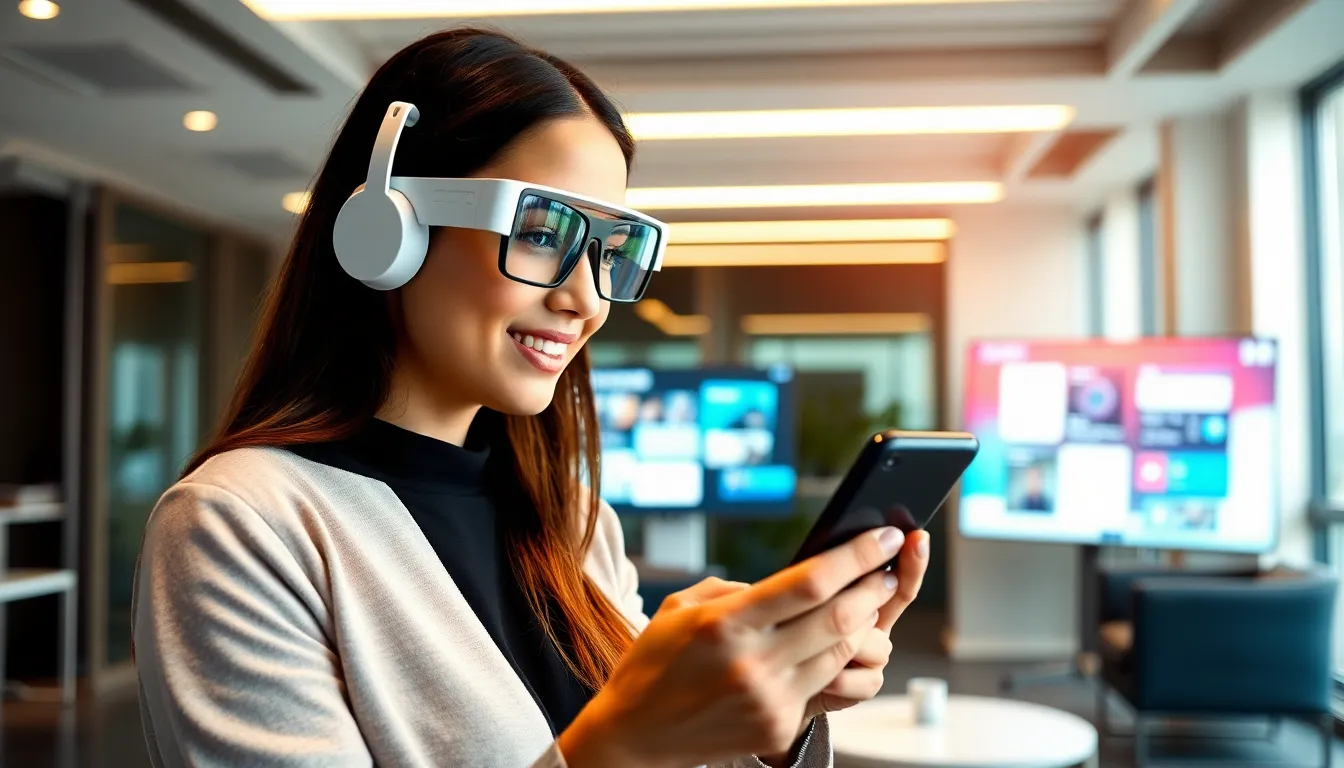
Emerging technology apps encompass diverse categories that enhance user experiences across various domains. Each category leverages cutting-edge innovations to progress digital interactions.
Artificial Intelligence Applications
AI applications include personal assistants that learn from user habits. They offer personalized recommendations in real time. Natural language processing enables smoother communication between users and devices. Chatbots serve customer support needs, addressing inquiries instantly. Predictive analytics helps businesses optimize their services by anticipating user behavior. Automation through AI significantly boosts efficiency across numerous sectors.
Augmented and Virtual Reality Apps
AR and VR apps create immersive experiences that transform entertainment and education. Users can explore interactive environments through gaming apps that transport them to alternate realities. Augmented reality enhances shopping by allowing users to visualize products in their own spaces. Educational applications offer simulated training scenarios, improving hands-on learning experiences. By merging digital and physical worlds, these technologies enhance engagement and understanding.
Blockchain Technology Apps
Blockchain apps provide unparalleled security and transparency in transactions. They enable secure peer-to-peer exchanges without intermediaries. Supply chain management benefits from improved traceability, ensuring product authenticity. Smart contracts automate agreements, reducing the likelihood of disputes. Financial services utilize blockchain to enhance security while promoting decentralized finance (DeFi) options. Innovations in this area continue to reshape industries by establishing trust in digital transactions.
Impact of Emerging Technology Apps
Emerging technology apps significantly shape user experiences and transform various industries. They introduce innovative solutions that enhance daily interactions and streamline processes.
Enhancing User Experience
Innovations in technology apps redefine how users interact with digital platforms. AI-driven tools, like personal assistants and chatbots, streamline tasks by anticipating user needs. Augmented reality apps create immersive environments, allowing users to visualize products before purchase. These features increase engagement and satisfaction, exceeding traditional app capabilities. Moreover, health and wellness apps empower users to track physical and mental well-being, fostering a proactive approach to health management. With intuitive interfaces and quick access to information, emerging technology apps make everyday interactions more enjoyable and efficient.
Transforming Industries
Emerging technology apps revolutionize multiple industries, introducing novel efficiencies and practices. Virtual reality tools enhance training in sectors like healthcare, providing simulations for medical professionals. In finance, blockchain apps enhance security and transparency in transactions, fostering trust among users. Retailers benefit from enhanced customer interactions through augmented reality applications that allow virtual try-ons. Furthermore, IoT apps optimize supply chain management by connecting devices for real-time monitoring. These technologies not only improve operational efficiencies but also drive innovation, setting new standards within their respective markets.
Challenges in Implementation
Emerging technology apps encounter notable challenges during implementation. Organizations face various difficulties that can hinder successful adoption.
Technical Limitations
Technical limitations often impact the performance of emerging technology apps. Network connectivity issues can cause interruptions, especially for applications reliant on cloud services. Inadequate hardware specifications may restrict functionality, leading to a suboptimal user experience. Integrating new systems with existing infrastructure complicates deployment, as compatibility concerns arise. Security vulnerabilities present additional risks, requiring developers to prioritize defense mechanisms. Limited interoperability among devices can restrict the full potential of apps, especially in IoT contexts. Continuous updates also require resources, which some organizations may struggle to allocate.
User Adoption Issues
User adoption issues significantly influence the success of emerging technology apps. Resistance to change often affects employees accustomed to traditional workflows. Training requirements can pose a barrier; users may hesitate to learn complex interfaces. Perceived usefulness and ease of use directly impact motivation levels when engaging with new technology. Concerns about data privacy contribute to reluctance; users question how their information will be utilized. Without clear benefits articulated, stakeholders may remain skeptical. Building trust through transparent communication is essential for easing user apprehensions.
Future Trends in Emerging Technology Apps
Emerging technology apps are headed toward innovative approaches that enhance user engagement. Artificial intelligence continues to play a crucial role in creating smarter applications. AI-driven personal assistants are evolving to provide more personalized experiences based on user behavior.
Augmented reality is also gaining traction, offering immersive experiences that can transform various sectors. Retail businesses increasingly adopt AR apps to facilitate virtual try-ons, enhancing shopping experiences. Education platforms leverage augmented reality to create interactive learning environments, allowing students to visualize complex concepts.
Health and wellness applications are becoming more sophisticated. These apps now utilize advanced data analytics to monitor user health metrics in real time. Users gain access to personalized fitness plans and mental wellness resources, making it easier to maintain overall well-being.
Blockchain technology will redefine security standards in emerging apps. Its decentralized nature enhances transaction transparency, which is particularly important in finance and supply chain management. Organizations are exploring blockchain solutions to eliminate fraud and increase user trust.
The Internet of Things (IoT) is transforming home and workplace functionalities. Smart device integration allows for seamless control and monitoring of various applications through a single interface. As connectivity improves and 5G technology expands, IoT apps are expected to become even more efficient.
Evolving connectivity technologies will drive the progress of emerging applications. Faster data transmission speeds empower developers to create complex functionalities within applications. These advancements streamline operations across multiple industries, enhancing both efficiency and user satisfaction.
Emerging technology apps are poised to redefine how users interact with the digital landscape. With advancements in AI, augmented reality, and blockchain, these applications not only enhance user experiences but also drive efficiency across various sectors. As organizations tackle implementation challenges, the focus on user trust and seamless integration will be vital for success.
Looking ahead, the continued evolution of these technologies promises even greater personalization and engagement. The future holds exciting possibilities as these apps become integral to daily life, transforming operations and setting new standards in user satisfaction. Embracing these innovations will be essential for individuals and organizations alike as they navigate the ever-changing digital world.