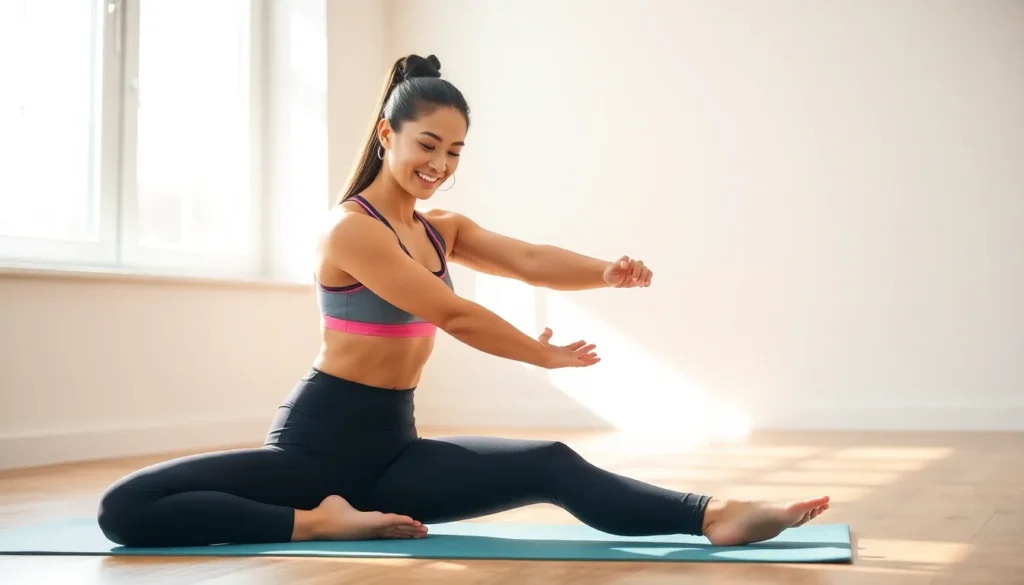
Upper inner thigh pain in women can feel like that annoying friend who overstays their welcome—uninvited and uncomfortable. Often dismissed as just another part of life, this pain can signal something more serious lurking beneath the surface. Whether it’s from a workout gone wrong or a sneaky case of muscle strain, understanding the root cause is crucial.
Understanding Female Upper Inner Thigh Pain
Upper inner thigh pain can disrupt daily activities and affect overall quality of life. Recognizing its causes and acknowledging associated risk factors is important for effective management.
Common Causes
Muscle strain often leads to discomfort in the upper inner thigh. Ankle sprains can cause compensatory movements that strain the thigh muscles. Conditions such as groin injuries or hip bursitis are common and require proper diagnosis. Ill-fitting workout gear can also contribute to pain during physical activity. Overexertion in sports or exercise often results in soreness that may persist. Notably, medical conditions like arthritis can lead to inflammation in the thigh area.
Risk Factors
Being overweight increases the likelihood of experiencing upper inner thigh pain. Sedentary lifestyles often result in weakened muscles and increased discomfort. Age plays a role, as older women face a higher risk of muscle and joint issues. Certain sports, including running and cycling, create repetitive strain on the inner thigh. Additionally, hormonal changes during menstruation can cause heightened sensitivity and discomfort in this area. Recognizing these risk factors allows for better prevention strategies.
Symptoms and Diagnosis
Recognizing the symptoms of upper inner thigh pain aids in timely diagnosis. Pain in this area may vary from a dull ache to sharp discomfort. Individuals might experience swelling or bruising, indicating potential injury. Discomfort during movement or while sitting points towards an underlying issue. Additionally, women may notice increased sensitivity in the upper inner thigh region.
Identifying the Pain
Identifying specific pain characteristics provides insight into its cause. Location plays a crucial role; pain closer to the groin suggests different issues than pain nearer to the knee. Factors such as intensity and duration of the pain are also significant. Symptoms experienced during physical activity often highlight muscle strain or sprains. Pain that arises solo during rest may indicate deeper conditions like arthritis. Understanding these aspects enhances the ability to communicate effectively with healthcare professionals.
Diagnostic Procedures
Various diagnostic procedures assist in determining the cause of upper inner thigh pain. Physical examinations typically precede imaging tests, allowing doctors to assess symptoms firsthand. X-rays might reveal fractures or structural abnormalities. MRI scans provide a detailed view of soft tissues, detecting issues like muscle tears or tendonitis. Ultrasound also serves as a tool for examining blood flow or identifying deep vein thrombosis. Based on findings, healthcare providers create targeted treatment plans and recommendations.
Treatment Options
Effective treatment options exist for managing upper inner thigh pain in women. These can vary based on the pain’s underlying cause and severity.
Conservative Treatments
Resting the affected area is often the first step in managing pain. Applying ice can reduce inflammation and numb discomfort. Over-the-counter pain relievers such as ibuprofen or acetaminophen help alleviate symptoms. Gentle stretching and strengthening exercises support recovery by improving flexibility and muscle strength. Physical therapy plays a crucial role in addressing movement patterns and preventing further injury. Wearing proper footwear and avoiding ill-fitting workout gear helps minimize strain.
Surgical Interventions
Surgery may be necessary for severe cases where conservative treatments fail to provide relief. Surgical options include repairing damaged tendons or ligaments in the upper inner thigh region. Hip arthroscopy addresses joint-related issues that contribute to pain. Procedures for removing bone spurs or excess tissue can also be effective. Often, rehabilitation after surgery involves targeted physical therapy to restore function and strength. Discussing surgical options with a healthcare provider ensures tailored treatment based on individual needs.
Preventive Measures
Preventive measures play a crucial role in addressing female upper inner thigh pain. Implementing targeted exercises and making lifestyle adjustments can significantly reduce the risk of experiencing this discomfort.
Exercises for Prevention
Incorporating specific exercises into a fitness routine can enhance muscle strength and flexibility. Strengthening the quadriceps, hamstrings, and adductors provides better support to the inner thigh. For example, squats and lunges effectively engage these muscle groups. Stretching exercises such as the butterfly stretch and seated forward bend help maintain flexibility. Gradually increasing physical activity intensity also minimizes strain on the muscles. Regular exercise not only strengthens the affected areas but also improves overall physical conditioning.
Lifestyle Modifications
Making specific lifestyle changes promotes overall health and reduces the likelihood of upper inner thigh pain. Maintaining a healthy weight lowers the pressure on joints and muscles. Choosing comfortable clothing and supportive footwear improves movement, especially during exercise. Staying hydrated keeps muscles functioning optimally and aids in recovery. Practicing good posture during activities prevents unnecessary strain and fatigue. Additionally, integrating rest days into a workout schedule allows muscles to recover and rebuild, decreasing injury risk.
Addressing upper inner thigh pain is essential for maintaining an active and fulfilling lifestyle. Recognizing the signs and symptoms early can lead to effective management and prevent further complications. By understanding the potential causes and risk factors, individuals can take proactive steps toward recovery and prevention.
Incorporating targeted exercises and lifestyle changes can enhance overall well-being and reduce the likelihood of recurrent pain. Consulting with healthcare professionals for personalized treatment options ensures that each individual receives the care they need. Prioritizing this aspect of health not only alleviates discomfort but also empowers women to engage fully in their daily activities.